
Trumpet for children – your perfect start in the world of brass music
Hardly any other instrument combines power and expressiveness as impressively as the trumpet. For beginners, this opens up a fascinating world of sound that offers both technical precision and creative freedom. In this article, we introduce you to beginner models and accompany you step by step. From choosing the right instrument to valuable practical tips. This is how you can successfully enter the world of brass instruments.
Your introduction to the world of brass instruments
Entering the world of the trumpet opens up a wide range of musical possibilities and also improves your breathing and sense of rhythm. Even as a beginner, you will benefit from a manageable number of valves, which make it easier to learn your first melodies. Although the trumpet requires a certain amount of dexterity and breathing technique, with systematic practice you can make rapid progress. The instrument also provides a good foundation if you want to learn other brass instruments later on. Your motivation will remain high when you can hear small successes immediately – the trumpet is particularly rewarding in this respect. This will help you start playing the trumpet with joy and success.
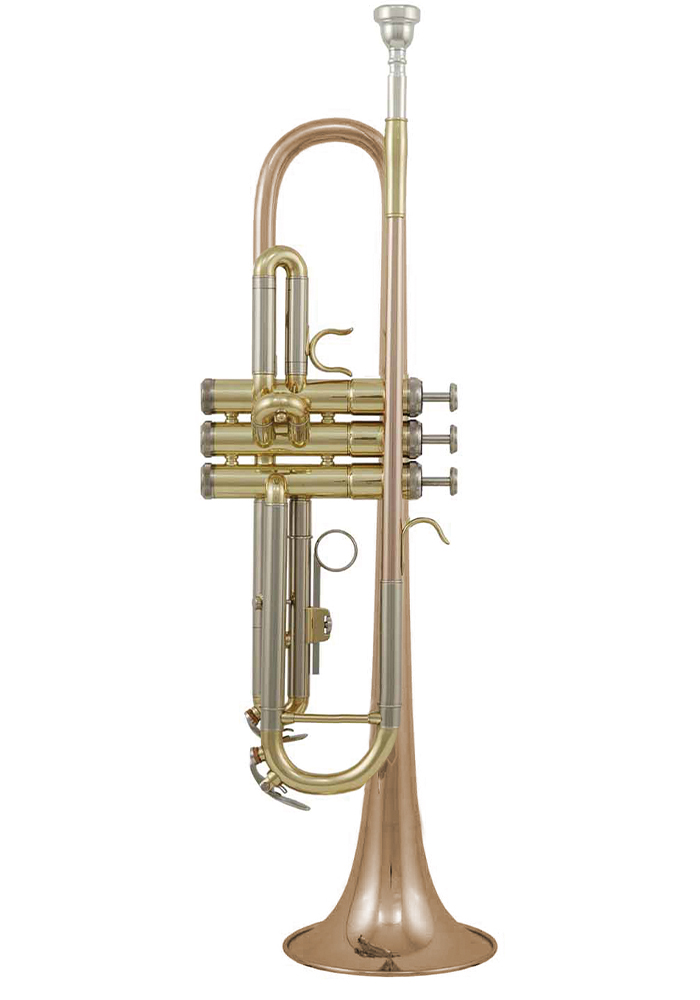
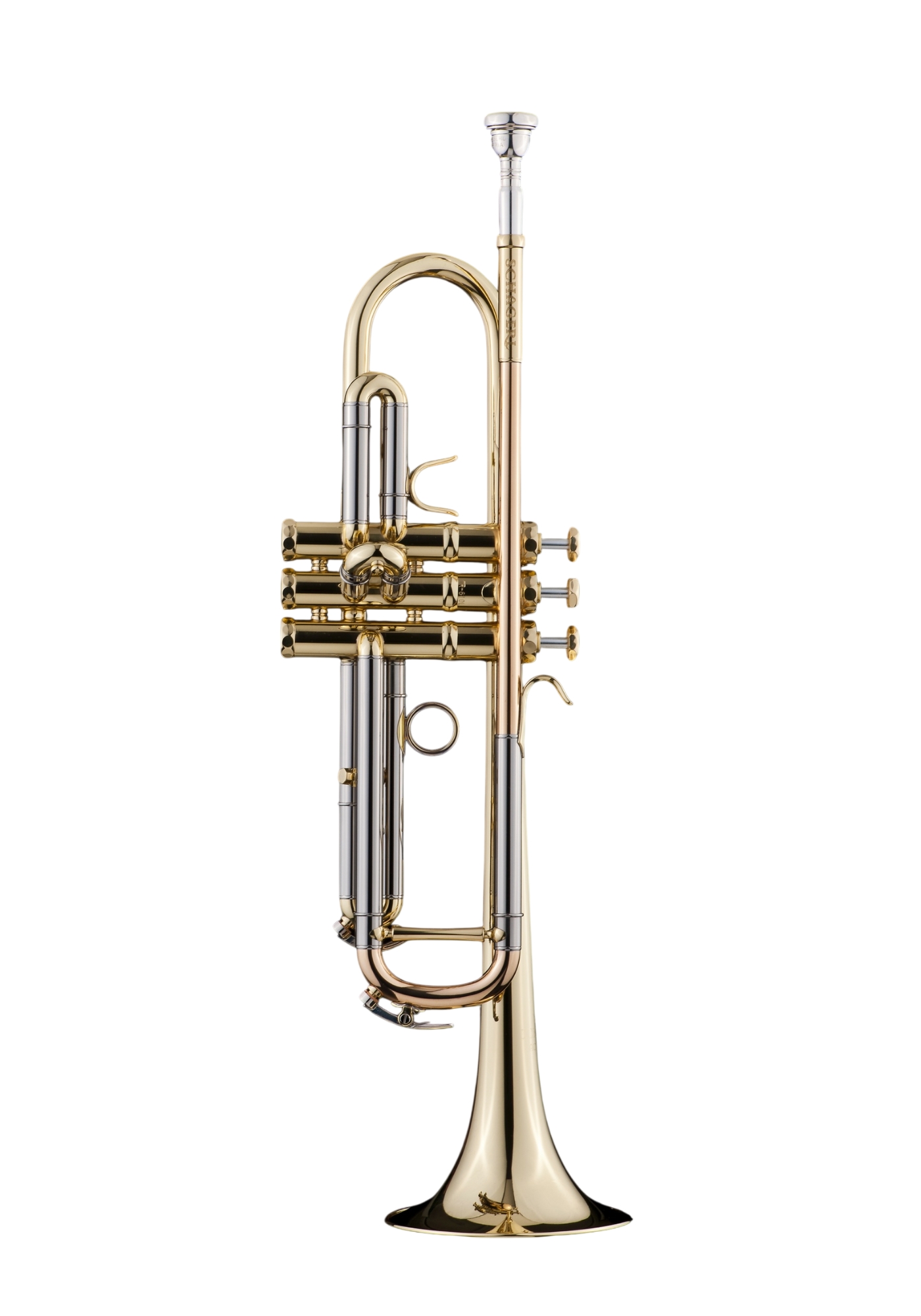
in stock
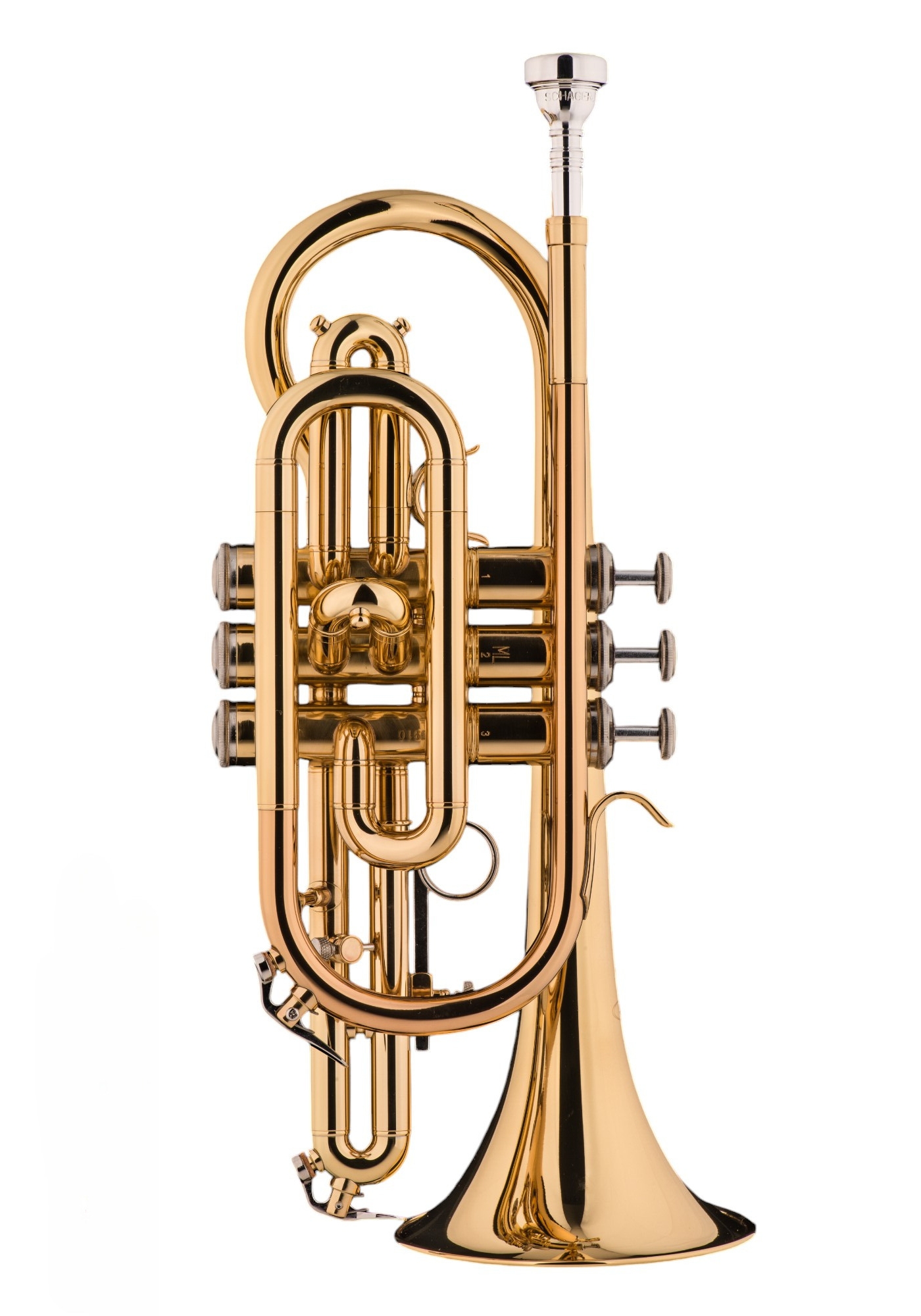
delivery time: 8-12 weeks
Recommended age for children to start learning the trumpet, trombone, etc.
The ideal age to start learning brass instruments varies from child to child, but generally speaking, children can start playing from around the age of 6. At this age, their motor skills, lung capacity, and ability to concentrate are usually sufficiently developed to produce their first notes on an instrument. It is important that the instrument is suitable for children: lightweight, easy to grip, and with a mouthpiece that is suitable for small lips. Special student models are perfect for beginners and promote a healthy playing posture without overtaxing the child.
Our tip: Pay attention to the recommendations of music teachers or music schools. Many offer wind instrument classes or taster courses where children can try out different instruments.
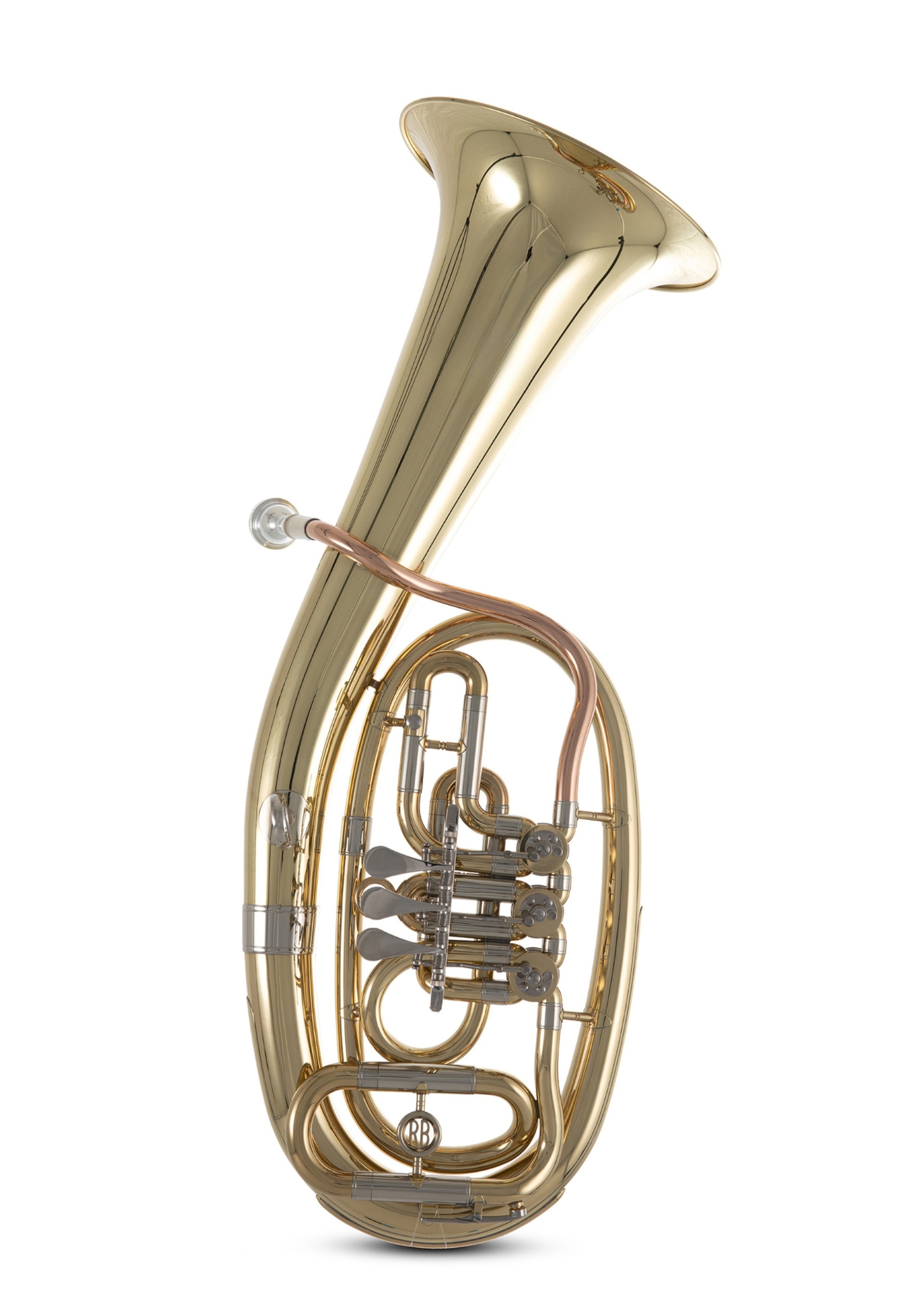
in stock

in stock
How do I choose the right instrument for my child?
- Age & height: Small children benefit from lightweight, compact instruments. Models such as cornets or pocket trumpets are specially designed for small hands and shorter arms.
- Interests & preferences: Does your child already have a favorite sound? Perhaps they are enthusiastic about the powerful trumpet or the soft flugelhorn. Trying them out together, e.g., at a music school, can help with the decision.
- Playability & ergonomics: An instrument suitable for children should be easy to hold, easy to play, and not too heavy. Look for models with a child-friendly design.
- Quality & durability: Good quality is especially important for a first instrument. High-quality student models are usually easy to resell.
How to choose the right trumpet for beginners
But choosing the right trumpet is not only crucial for children to get off to a successful start and have an optimal learning experience. For beginners, we recommend a trumpet with balanced response and good intonation, ideally made of sturdy material so that it can withstand frequent use. It is also important that the instrument is a comfortable size and weight so that you can practice for longer periods without fatigue. Models with reliable valves and clear tone response make it easier to learn the basic techniques. It is advisable to seek advice before purchasing to take your individual needs into account and find the right trumpet for you.
Important Tips for Beginners on Playing the Trumpet
Regular practice is essential for success in playing the trumpet. Start with breathing exercises to improve your lung capacity and develop a steady air flow.- Scales help you improve your dexterity and develop a feel for intonation.
- A metronome helps you train your sense of rhythm and maintain a steady tempo.
- It is also helpful to do short practice sessions throughout the day instead of long sessions at once.
Care and maintenance of your trumpet
A trumpet should not only sound good, but also give you many years of enjoyment. With the right care and a little routine, you can make a significant contribution to maintaining the sound quality and functionality of your instrument in the long term.
Recommendations for regular maintenance:
- Valves should be oiled daily with a few drops of valve oil to keep them running smoothly and functioning reliably.
- Tubes should be treated with tube grease at least once a week to keep them flexible and prevent them from sticking.
- The mouthpiece should be rinsed with warm water and dried thoroughly after each use to prevent deposits from forming.
- It is recommended to clean the surface with a soft cloth approximately every two to four weeks. Special cleaning agents can be used if necessary. Aggressive household cleaners should be avoided as they can damage the surface.
Here's how newbies can get started with the trumpet:
A successful start on the trumpet requires patience, regular practice, and the right approach. Small steps forward should be celebrated to keep motivation high. Care should always be taken to maintain the instrument, as a well-maintained instrument will give you many years of enjoyment. This will lay the foundation for your musical development and ensure that you will enjoy playing the trumpet for a long time to come.