
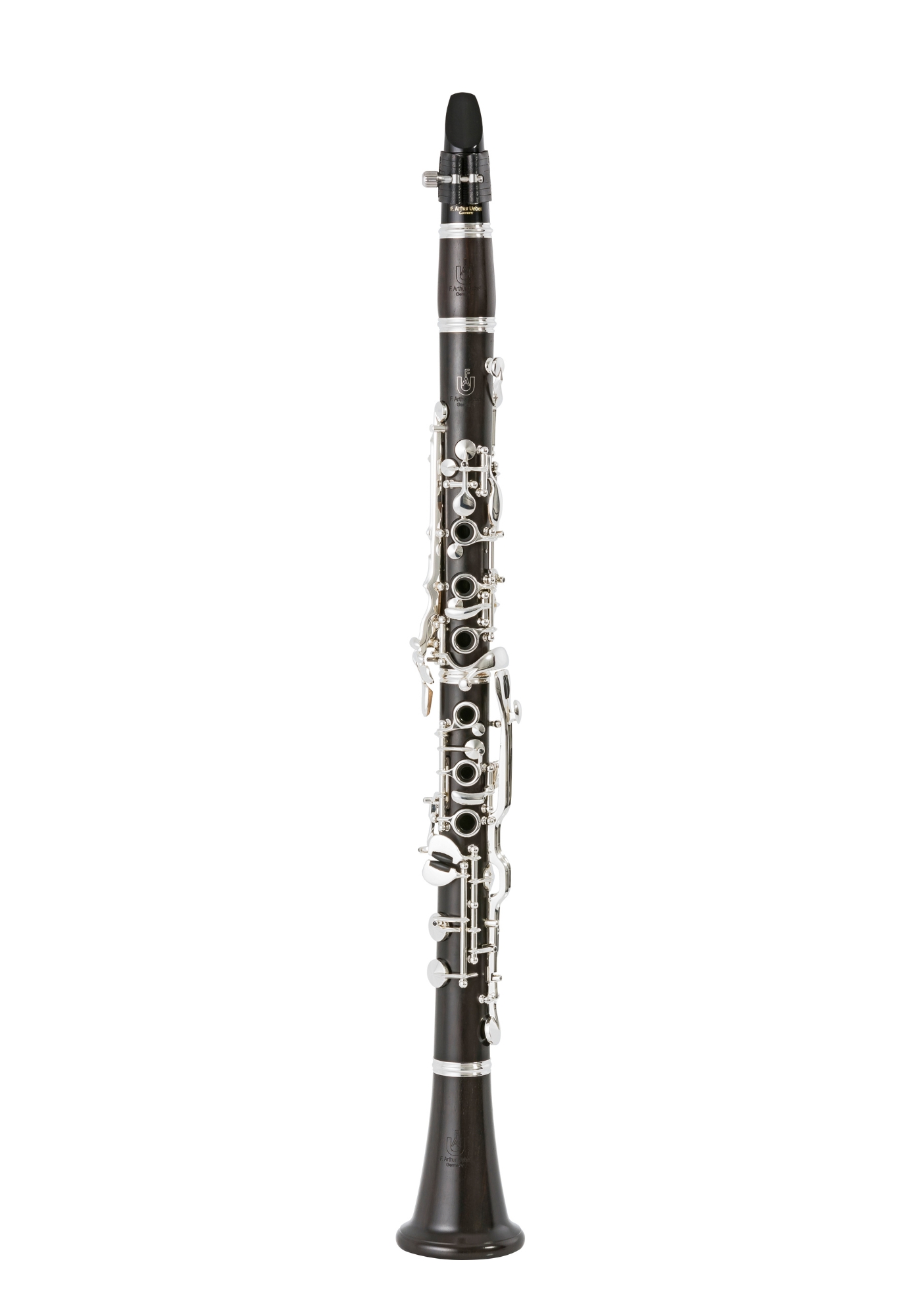
Clarinet
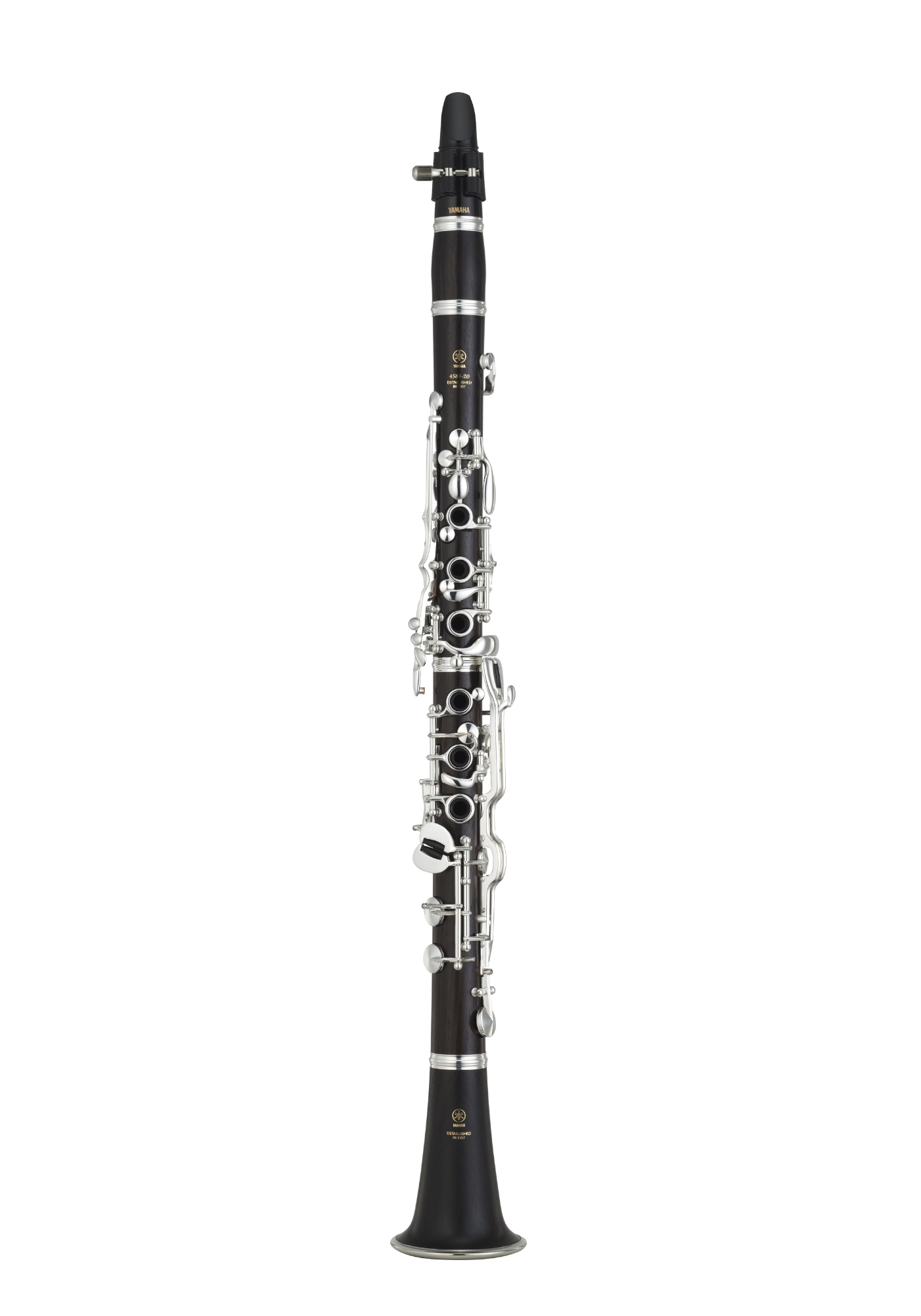
in stock
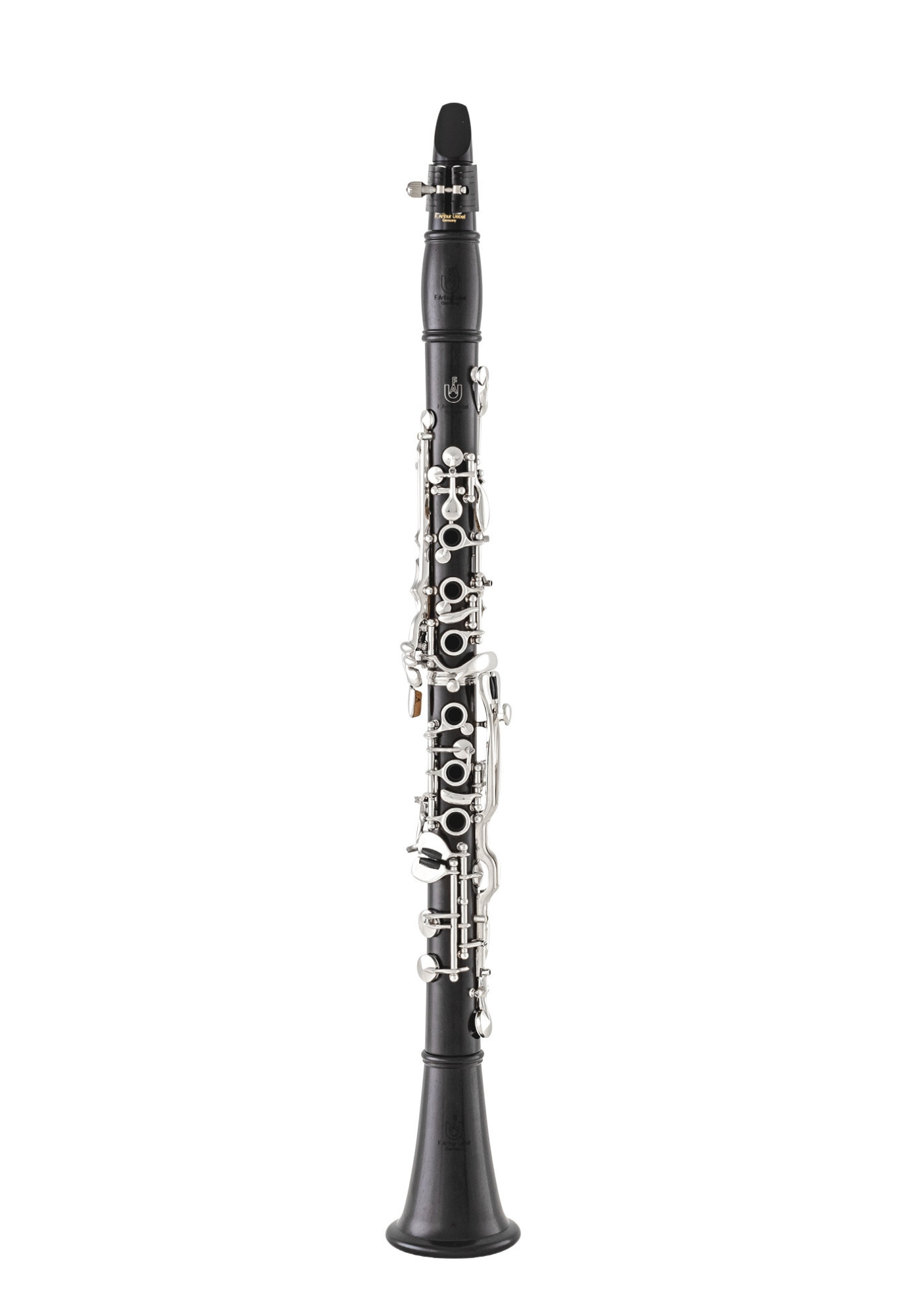
in stock
in stock
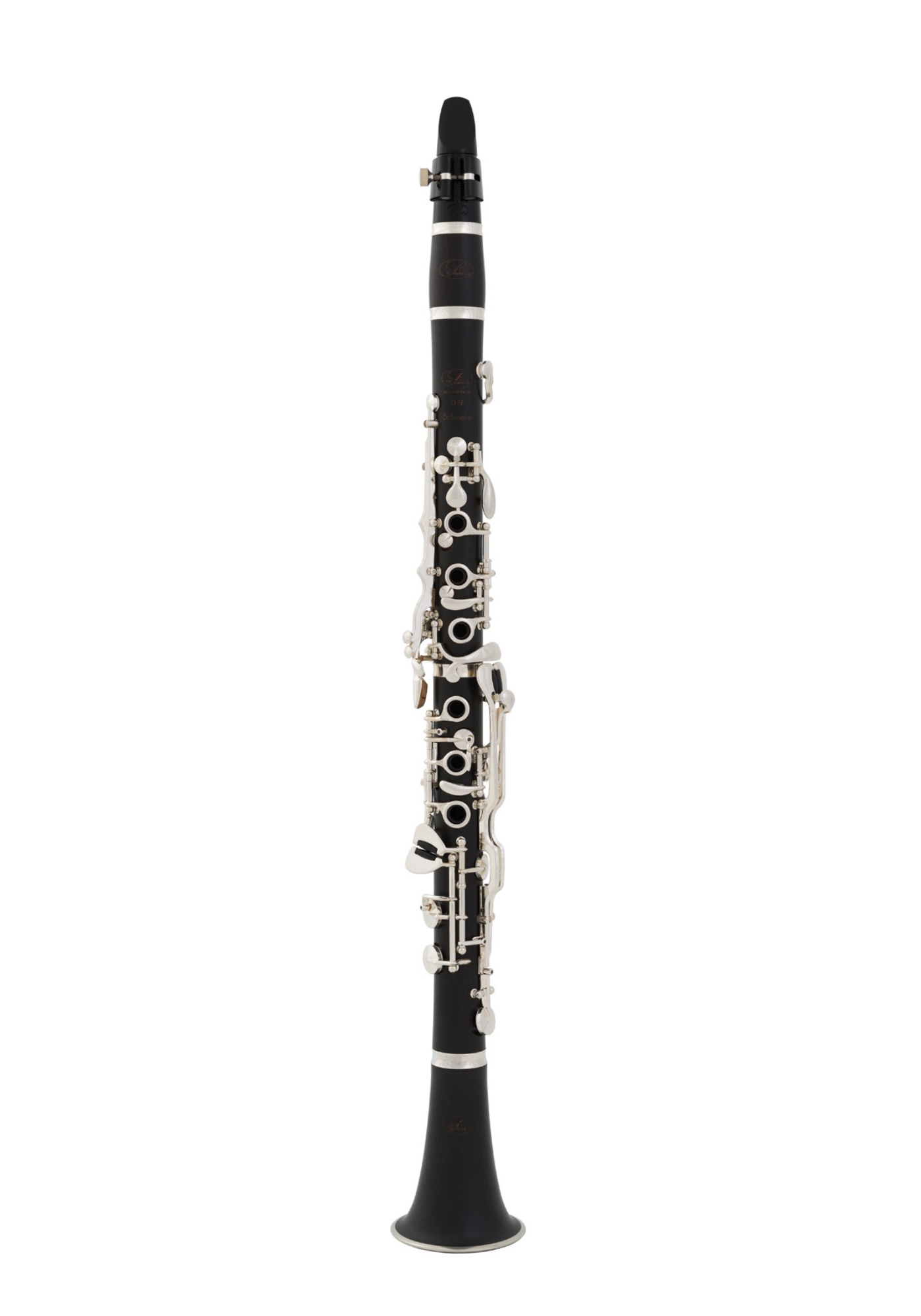
in stock

in stock
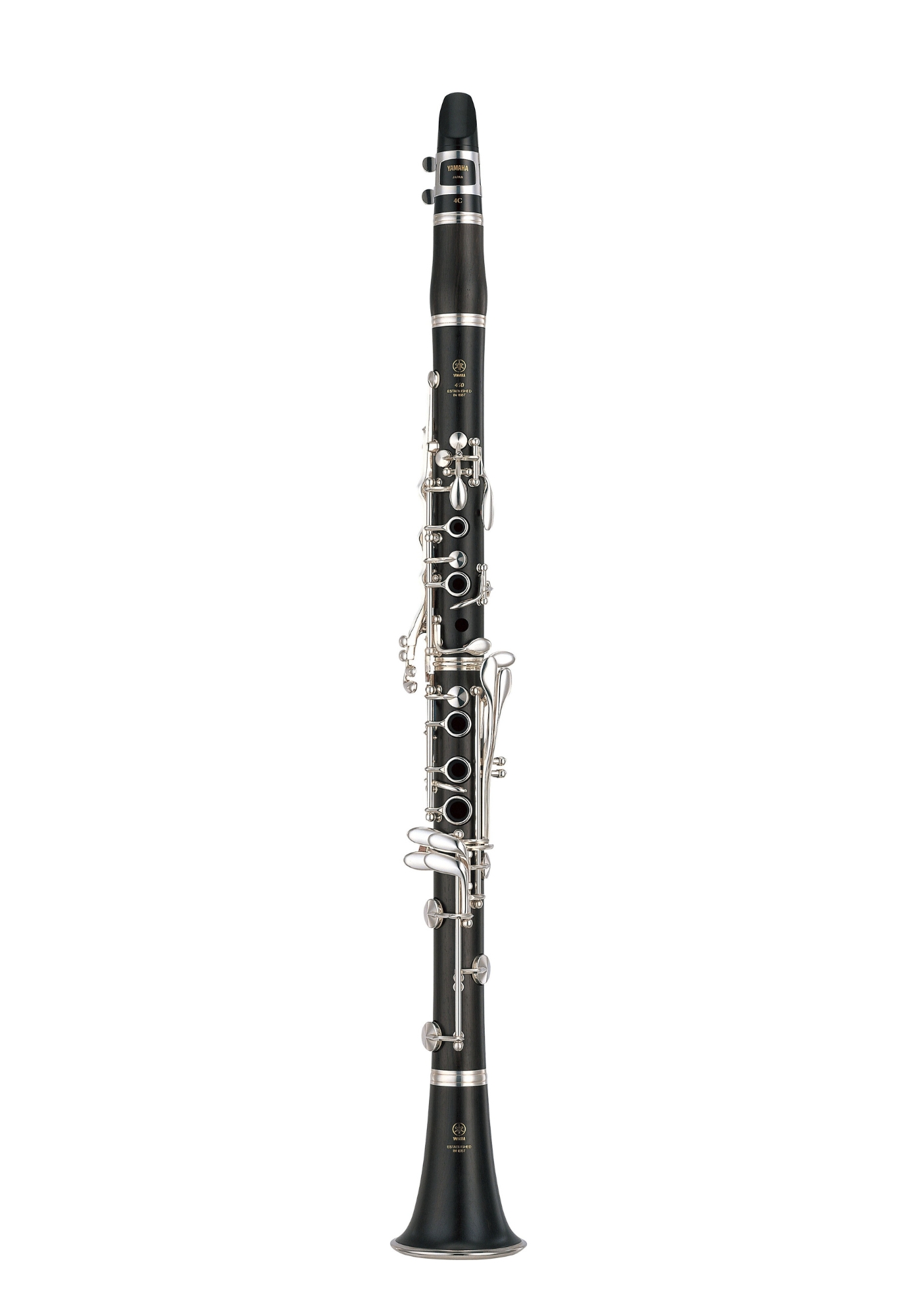
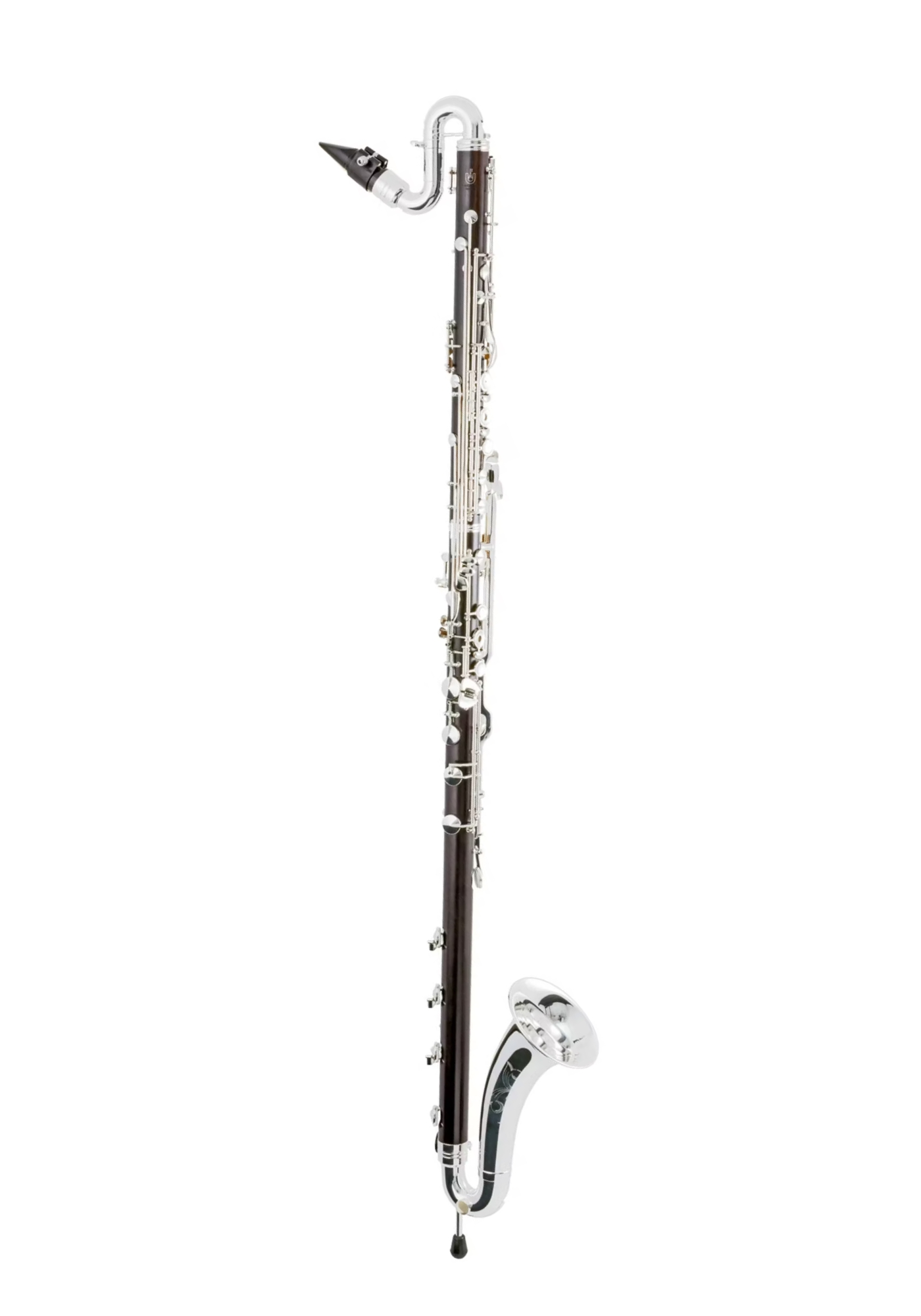
delivery time: 10-14 days
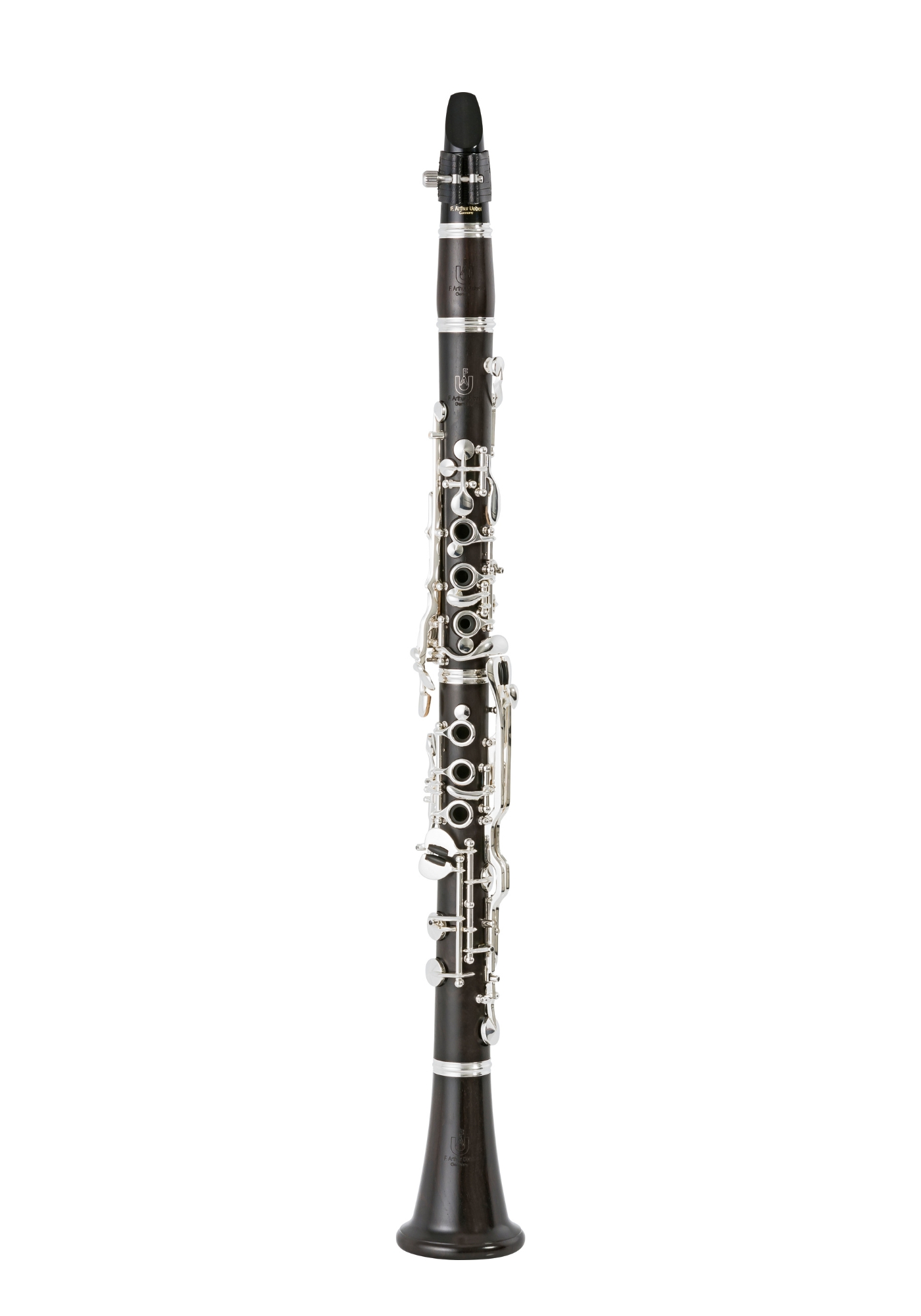
delivery time: 10-14 days

delivery time: 7-10 days
delivery time: 10-14 days
delivery time: 4-8 weeks

delivery time: 4-8 weeks

delivery time: 4-8 weeks
Clarinets – Versatile soundscapes for stage, wind orchestra and classical music
Who is the clarinet suitable for?
Beginners in music school lessonsAdvanced and professional musicians in orchestras or ensembles Wind orchestra members and soloists Music lovers from classical to jazz
Origin & history of the clarinet
• Bb clarinet (most widely used)
• A clarinet (in classical music)
• Eb clarinet, bass clarinet, alto clarinet and contrabass clarinet
Structure of the clarinet
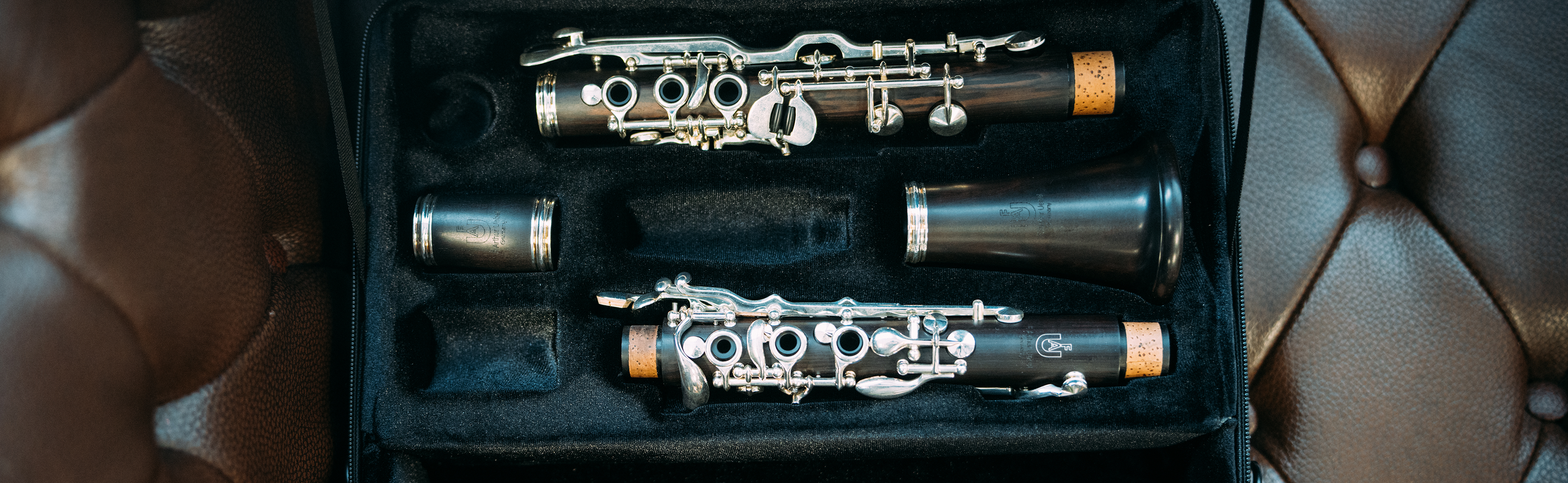
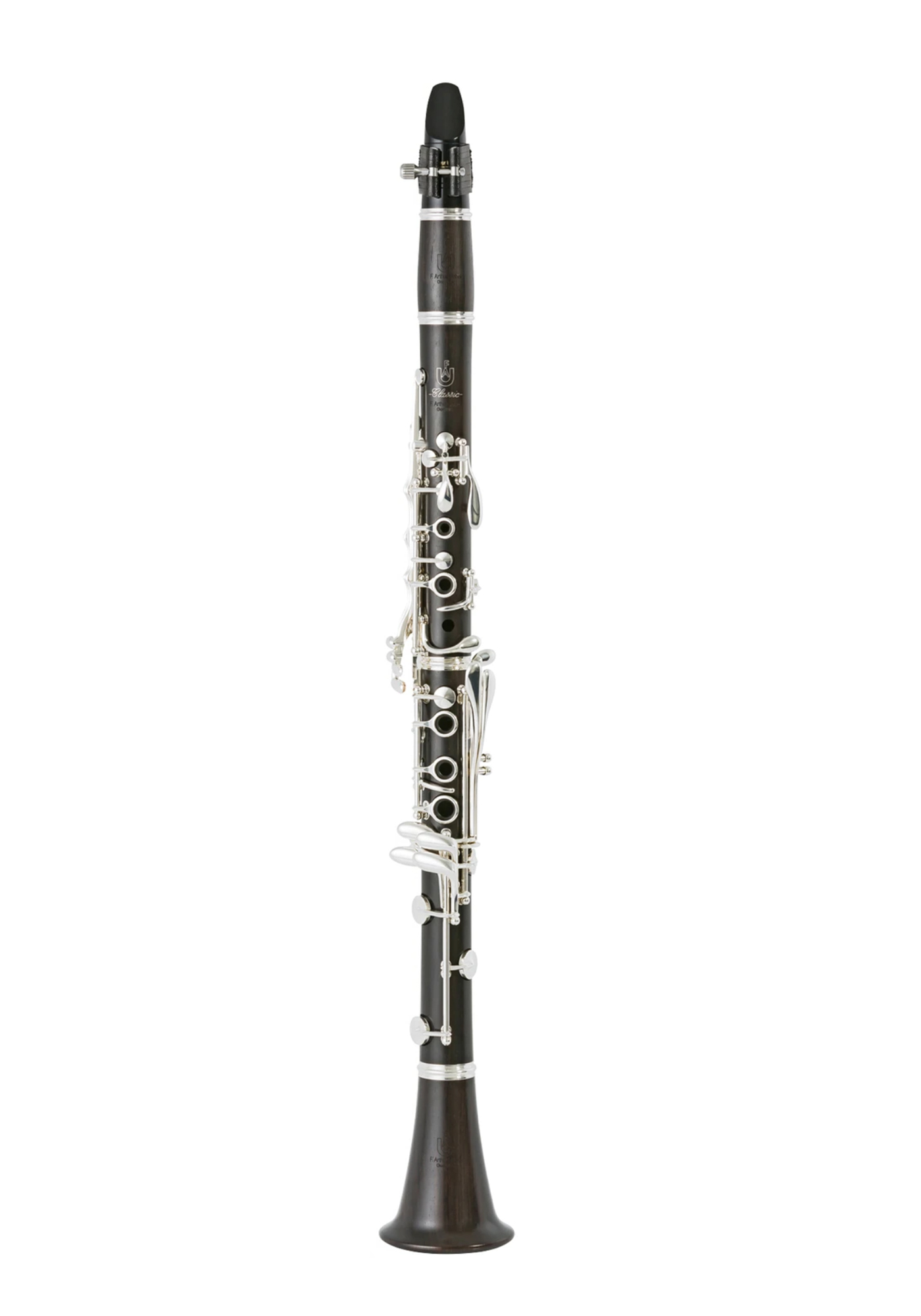
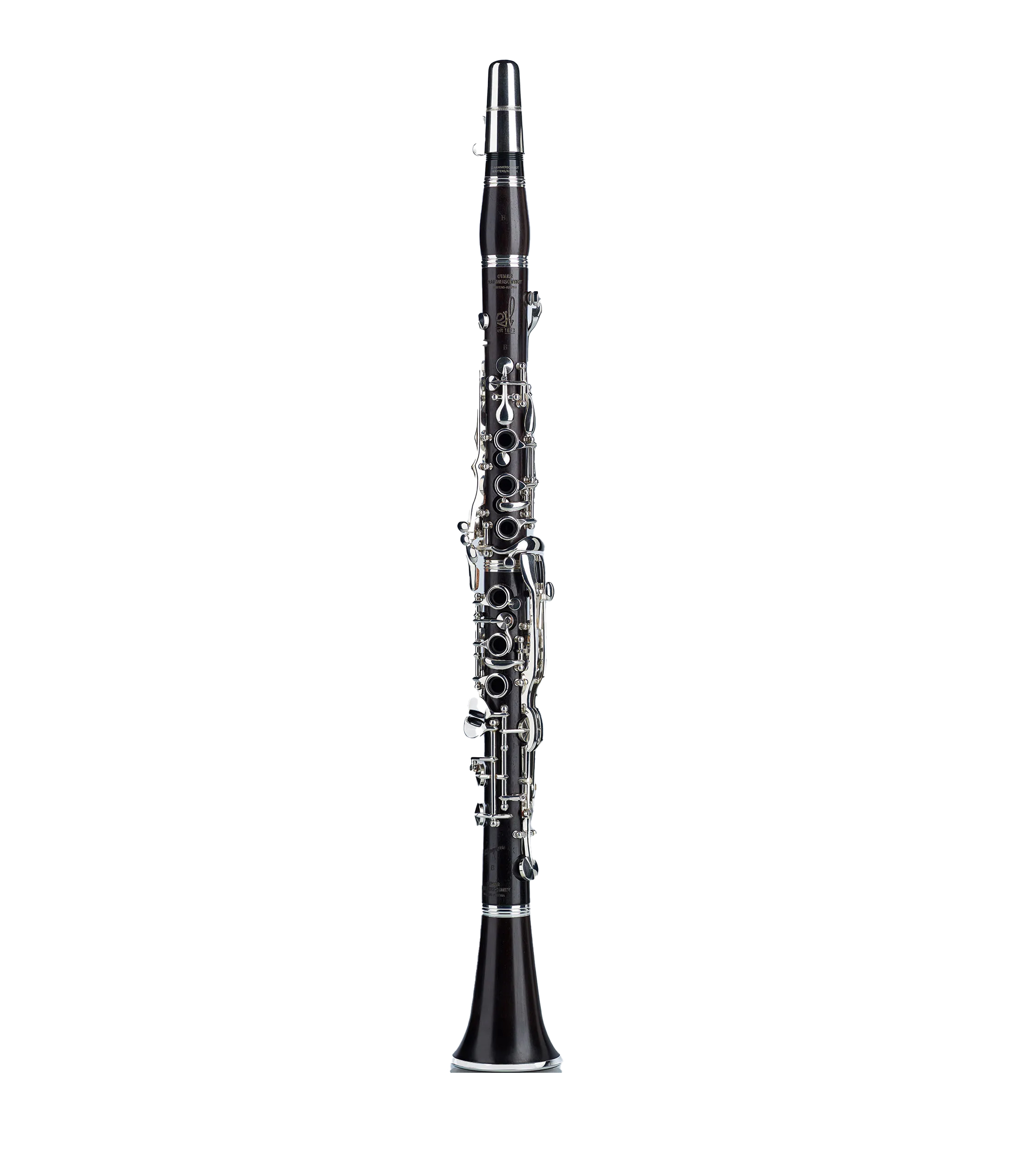
The clarinet consists of five main parts:1. Mouthpiece – with attached reed (single reed)
2. Barrel – regulates pitch
3. Upper joint
4. Lower joint
5. Bell – for sound projection
Materials:
Grenadilla wood – traditional and rich in tonePlastic (e.g. ABS) – robust, easy to care for, ideal for beginners or outdoor playing
Hybrid models – combination of wood look and durability
The 5 most frequently asked questions about the clarinet
Yes, plastic models with simple mechanics are ideal for beginners – suitable for ages 8 and up.
2. Are there clarinets for children or with smaller finger holes?
Yes – special children's clarinets are designed for small hands.
We highly recommend trying one out in person at our shop – we're happy to help you choose!
3. How do you properly care for a clarinet?
Drying it daily with a wipe, regularly caring for the cork and occasionally oiling the wood (for wooden models) will significantly extend its lifespan.
Regular maintenance extends the lifespan: General overhaul in a specialist workshop
As needed: replace corks, check pads, adjust keys
At Schagerl, we carry out this work professionally in our in-house workshop.
4. What clarinet fingering systems are available and which one should I choose?
There are two main systems:
• German system (Oehler system) – preferred in Germany and Austria; offers a warm sound and more complex fingering
• French system (Boehm system) – widely used internationally; easier to learn, particularly suitable for beginners
The right choice depends on the teacher, regional music schools and musical style.
5. How do I find the right reed strength for my clarinet?
The reed strength affects response and sound.
Beginners: Strength 1.5–2 Advanced players: Strength 2.5–3
The ideal strength depends on the mouthpiece, playing style and air flow. It is advisable to try out different reeds.
Why buy your clarinet from Schagerl?
In-house workshop – for maintenance, general servicing and individual adjustmentsLarge selection – From beginner clarinets to professional models
Expert advice – Our team consists of experienced woodwind players
Range of accessories – Reeds, cases, care sets, mouthpieces and more
Ready to play & tested – Every instrument is adjusted so that it is ready to play
