

Soprano Saxophone
in stock


in stock

in stock

in stock

delivery time: 7-14 days

delivery time: 9-12 months
delivery time: 7-14 days
delivery time: 7-10 days

delivery time: 4-8 weeks

delivery time: 9-12 months
The soprano saxophone: clarity and brilliance in a woodwind instrument
Why is the soprano saxophone considered a woodwind instrument?
Although the soprano saxophone is made of metal, it belongs to the woodwind family. The reason for this lies in how the sound is produced: the tone is created by the vibration of a wooden reed on the mouthpiece, which is a typical feature of woodwind instruments. This combination of a metal body and a wooden reed gives the soprano saxophone its distinctive sound – clear, brilliant and full of expression.
What makes the soprano saxophone so special?
The soprano saxophone is characterised by its high, brilliant pitch, which is perfect for solos and melodic passages. It requires precise breathing technique and dexterity, making it an exciting choice for advanced players. With a little patience and practice, even beginners can enjoy the benefits of this instrument. Whether in a jazz ensemble, a classical orchestra or as a solo instrument, the soprano saxophone impresses with its versatility and beautiful sound. Armed with this knowledge, you can set out to discover the fascinating world of the soprano saxophone and unleash your musical potential!
The different types of soprano saxophones
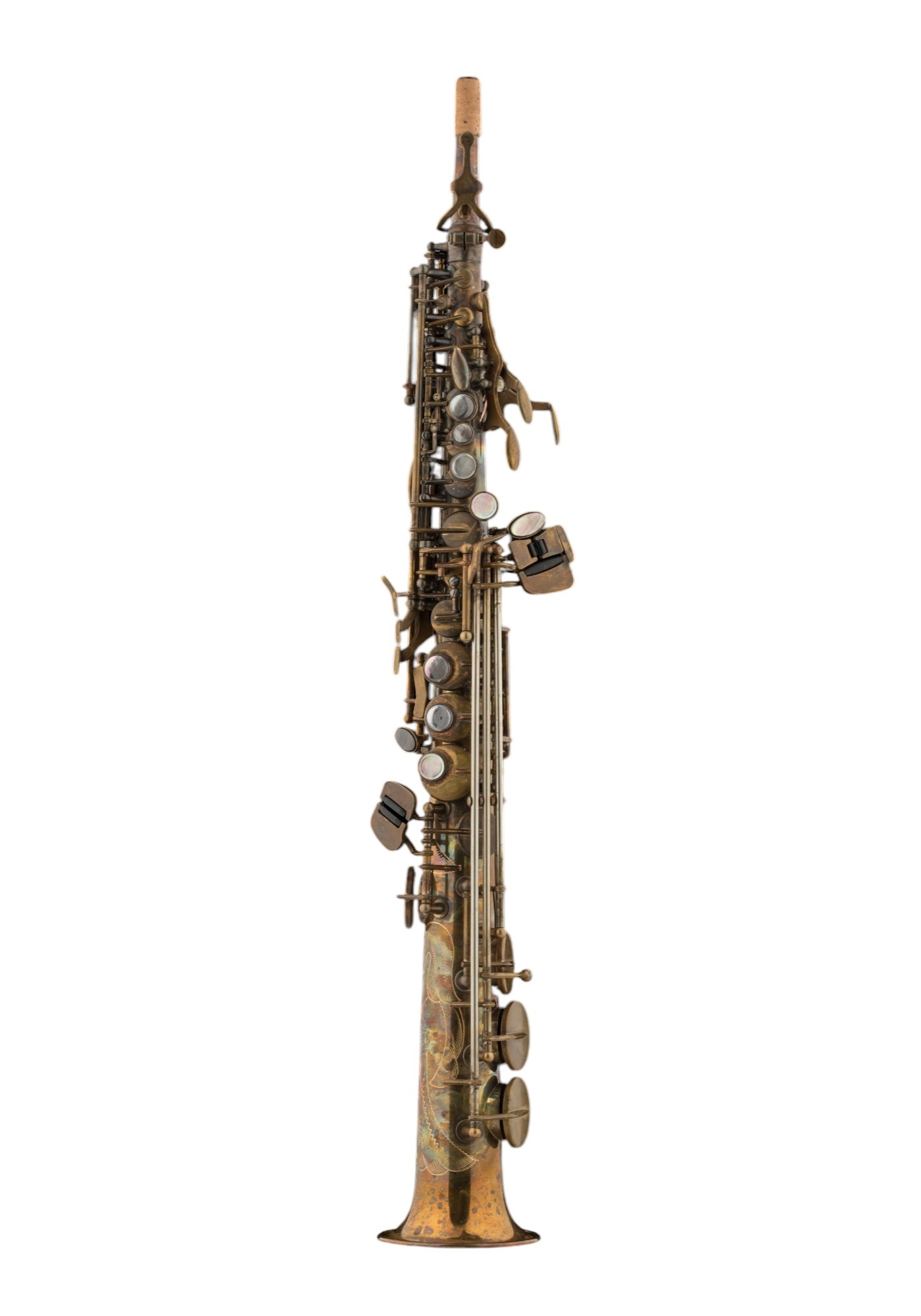
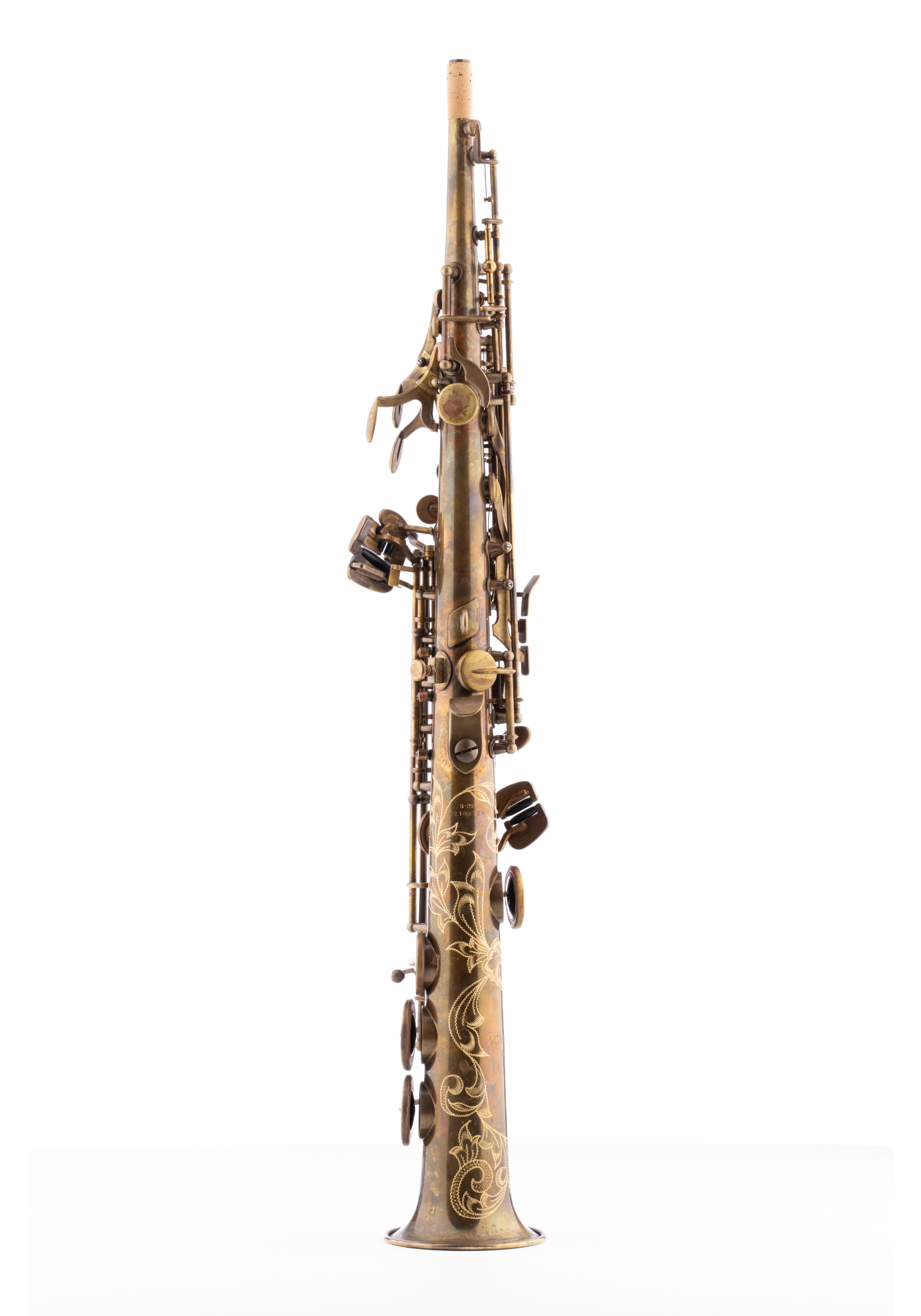
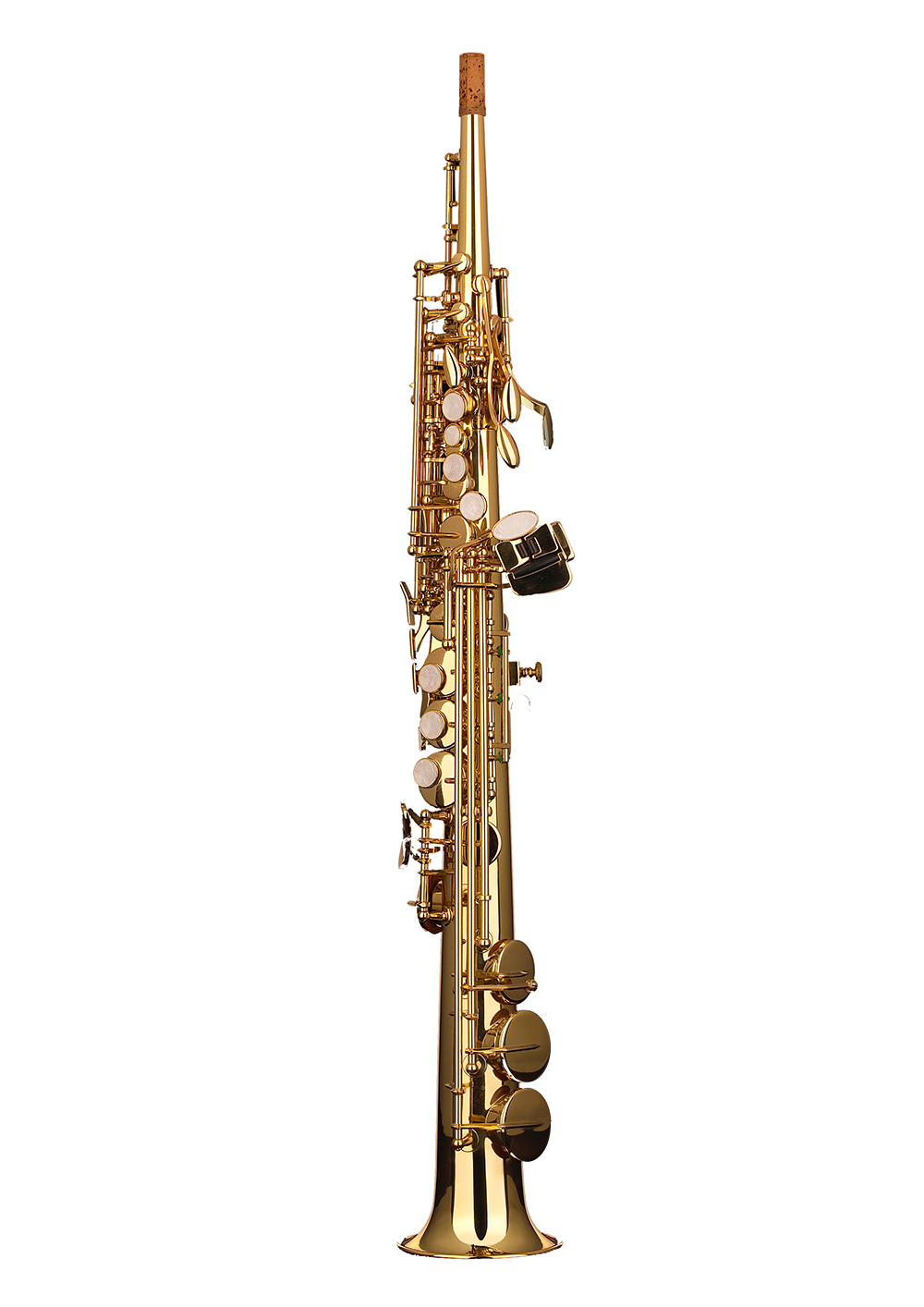
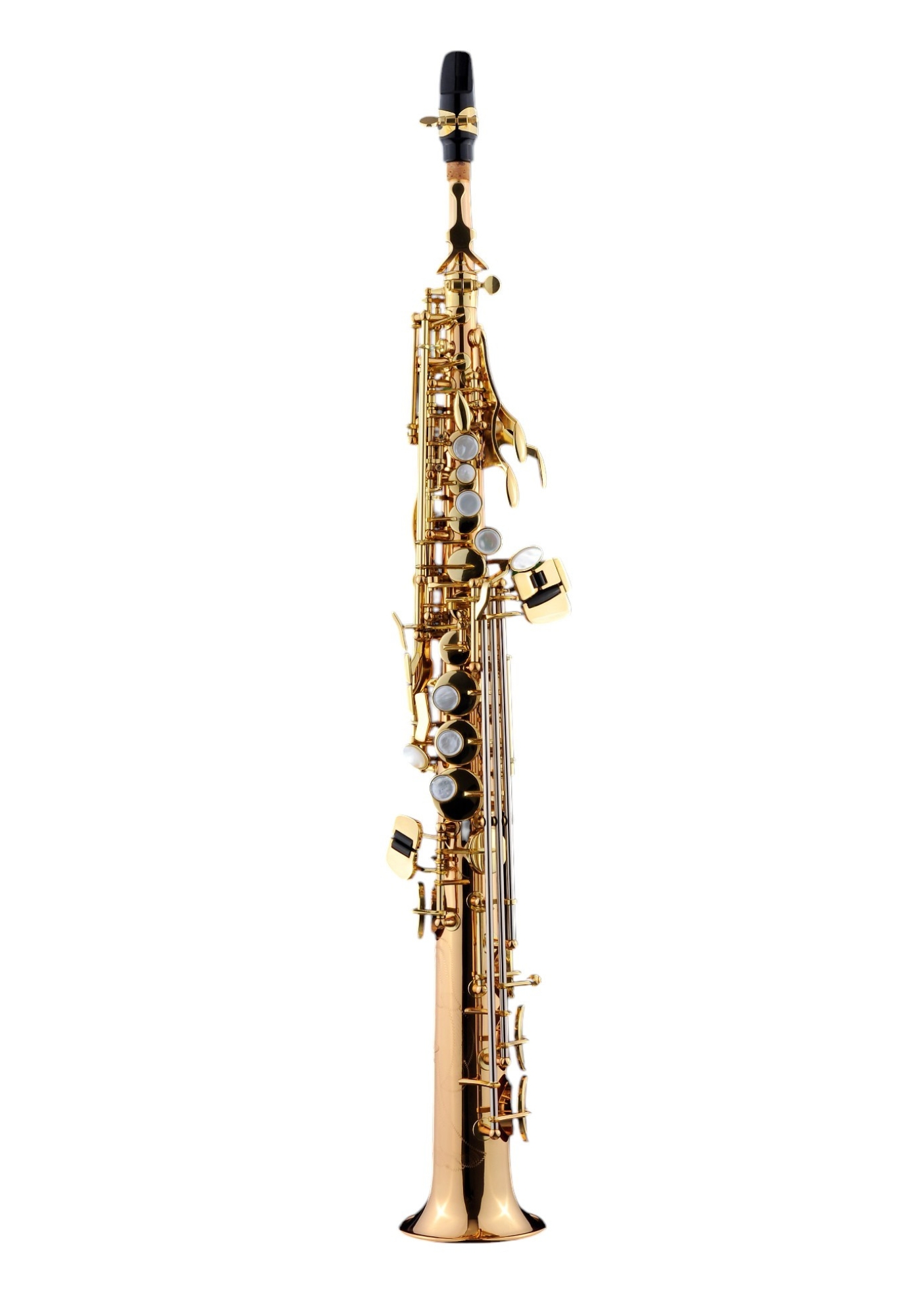
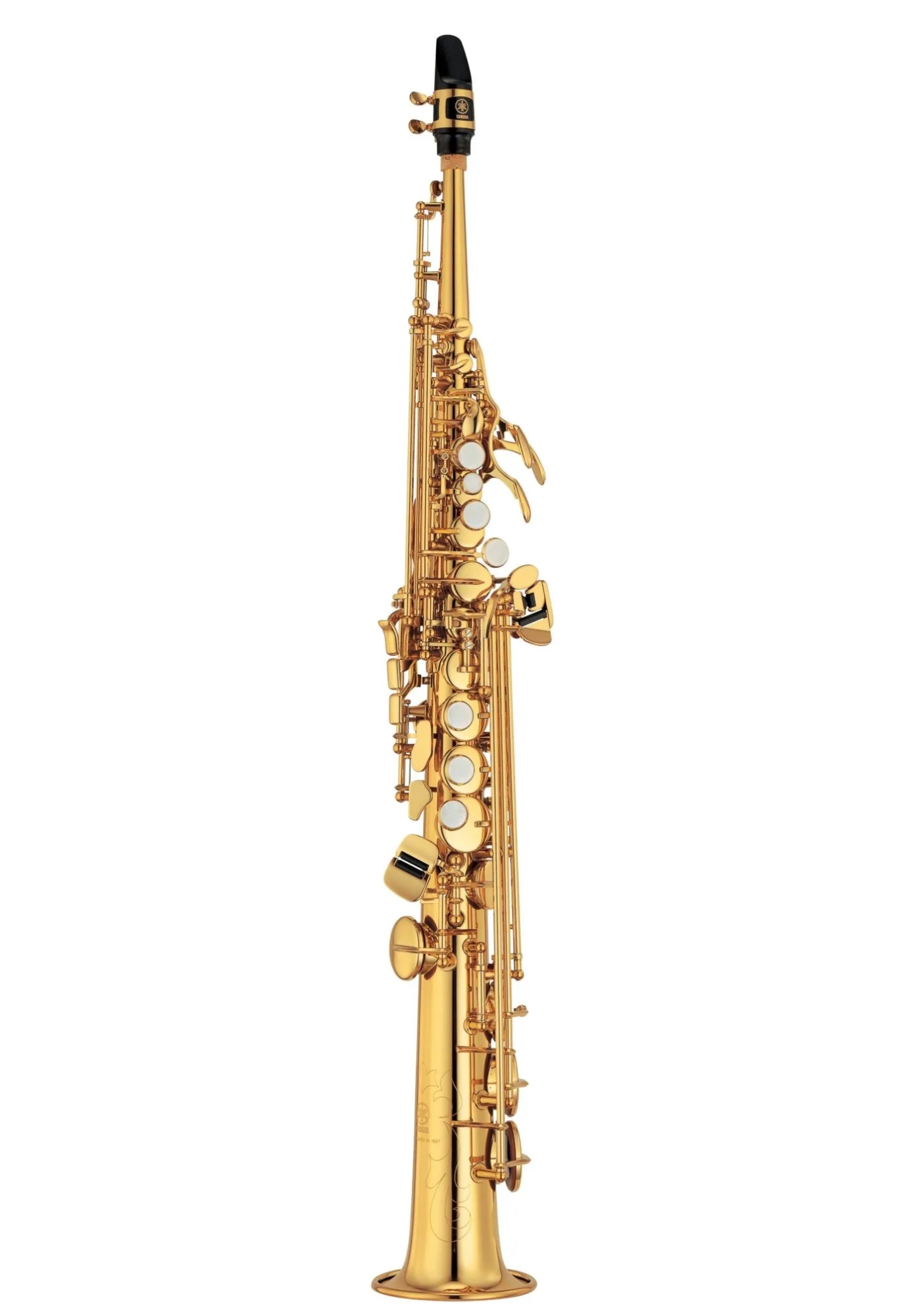
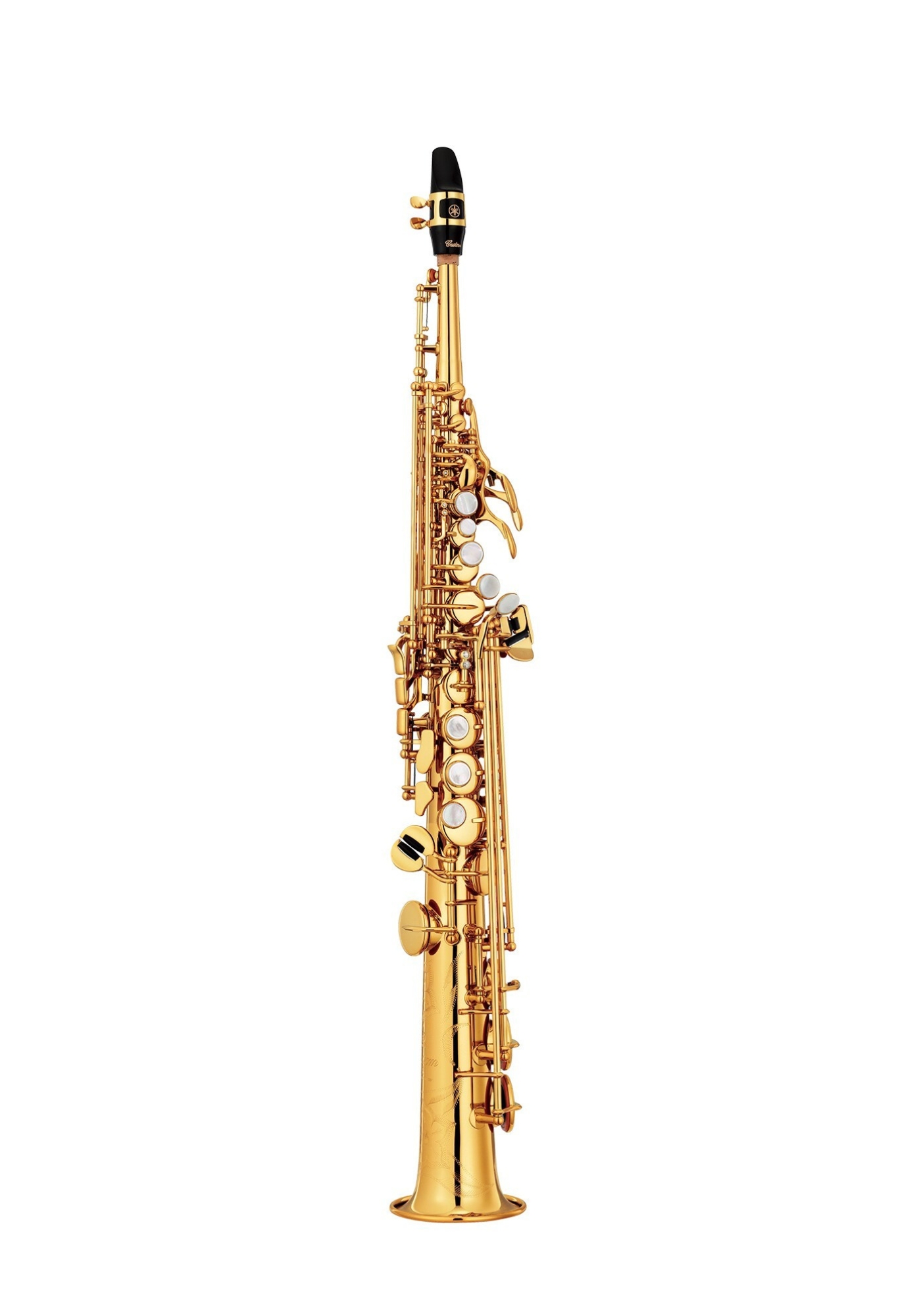
Straight soprano saxophone: This design is the classic version with a clear, direct sound and an elegant appearance.
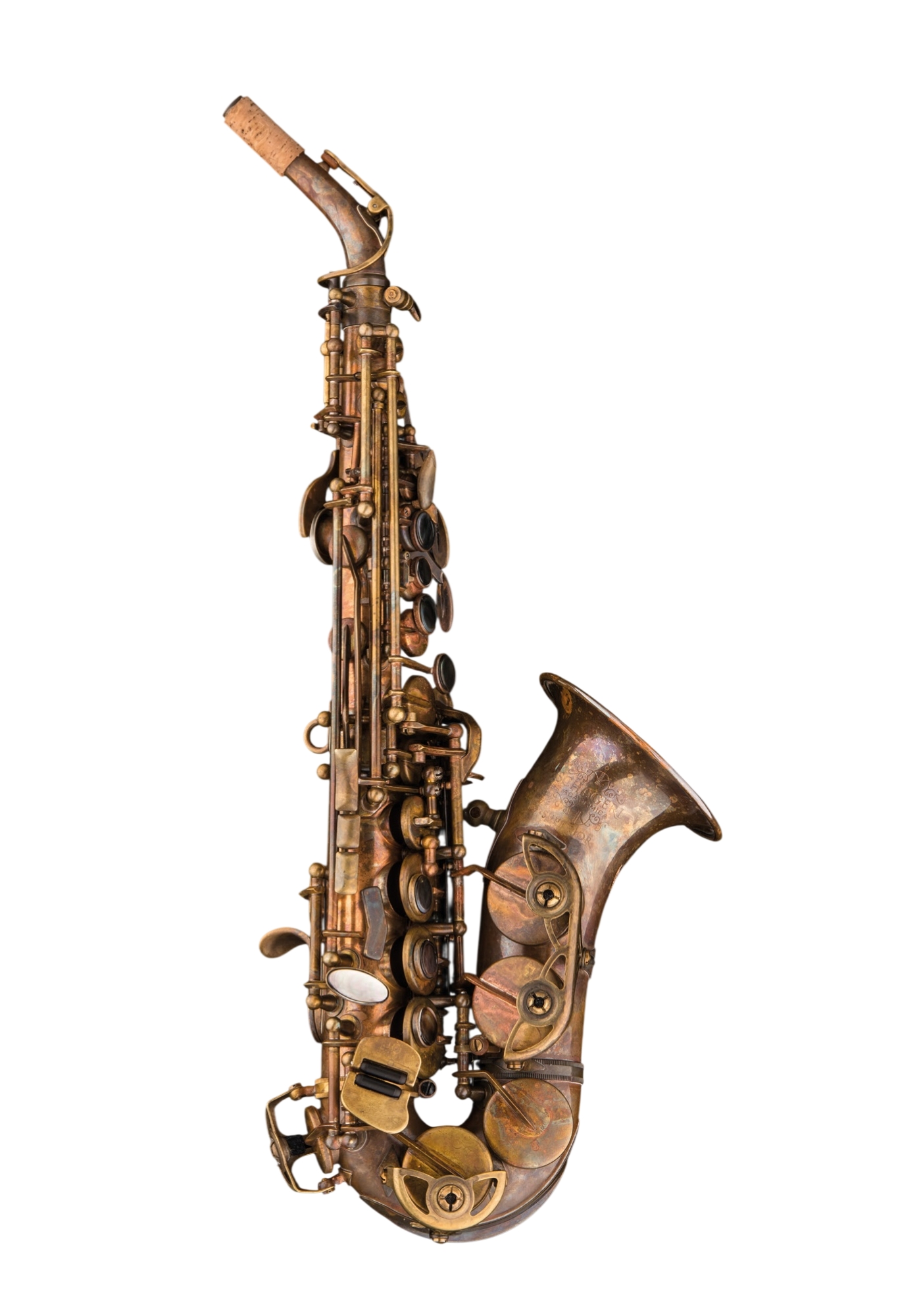
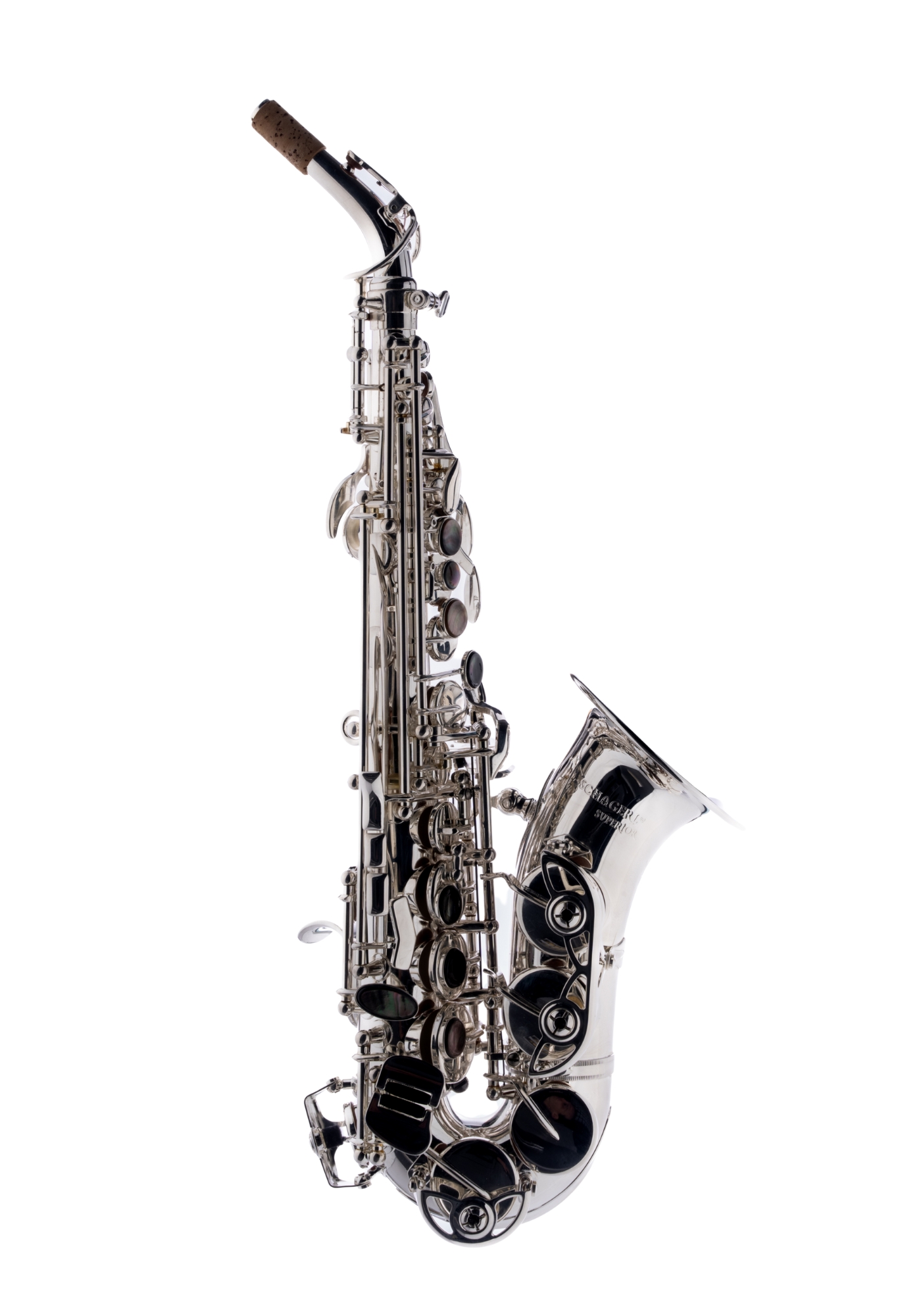
Curved soprano saxophone: Offers a more compact design and a warmer sound, similar to the alto saxophone. It is also more ergonomic for younger players or smaller hands.
Material: Most models are made of brass, often with a finish (e.g. gold or silver lacquer), which affects the sound and appearance.
Key layout: The ergonomic layout of the keys is crucial for comfort and playability, especially for beginners.
Product recommendations:
Beginner models: Schagerl S-800LAdvanced models: Schagerl Superior S-1LG
Professional instruments: Yanagisawa S-W01
At what age can you start playing the soprano saxophone?
Recommended starting age: From around 10 years old, as the soprano saxophone requires greater breath control and dexterity.Alternative for younger children: Curved models or children's alto saxophones are more suitable for smaller hands and younger players.
Benefits for children: Learning a wind instrument promotes concentration, breathing technique and musical ear.
How much should your first soprano saxophone cost?
Beginner models: From around €750, ideal for students looking for a solid instrument to learn the basics.Mid-range: Models from €1,500, which support advanced players with better sound quality and workmanship.
Professional instruments: From €3,500, often handmade and crafted from high-quality materials such as solid silver or with special finishes.
Care tips for your soprano saxophone
Daily care: After playing, remove moisture from the instrument to protect the pads and keys. Wipe the mouthpiece and S-bow thoroughly.Regular maintenance: Lightly oil the mechanism to ensure smooth movement and clean the interior with special wipers.
Annual inspection: Have your instrument serviced regularly by a professional to check the mechanics and pads.
Every instrument is unique and deserves individual attention.
Our experts in our in-house workshop use traditional techniques combined with state-of-the-art technologies to ensure the best possible service. Book an appointment now!
Materials and construction methods for soprano saxophones
Materials:
Brass: The standard material, which ensures a balanced, full sound.
Silver or gold-plated models: Offer a brighter or warmer sound and are often preferred by professionals.
Construction:
Straight and curved models – differences in sound and ergonomics.
Finish:
Gold or silver lacquer affects both the sound and the appearance.
Learning the soprano saxophone: How long does it really take?
Beginner level: After 3-6 months, simple melodies can be played.Advanced level: Challenging techniques and improvisation require 2-3 years of intensive practice. Important: Regular practice and targeted breathing technique are the keys to success.
Accessories for your soprano saxophone – what do you really need?
Reeds: Strength 1.5-2 for beginners; advanced players can switch to stronger reeds.Mouthpiece: Standard mouthpieces for beginners, special mouthpieces for jazz or classical music. Strap: A well-padded strap for comfort while playing.
Cleaning: Wipers for the neck and body, as well as polishing cloths for the exterior.
The history of the soprano saxophone
Special features: Due to its brilliant sound and high pitch, it is popular with soloists and in small ensembles.
Modern use: Today, the soprano saxophone is played in a variety of genres, from classical music to fusion and pop.
Conclusion
Why buy your clarinet from Schagerl?
In-house workshop – for maintenance, general servicing and individual adjustmentsLarge selection – From beginner to professional models
Expert advice – Our team consists of experienced woodwind players
Range of accessories – Reeds, cases, care sets, mouthpieces and more
Ready to play & tested – Every instrument is adjusted so that it is ready to play
