
Piccolo Flute
Piccolo Flute
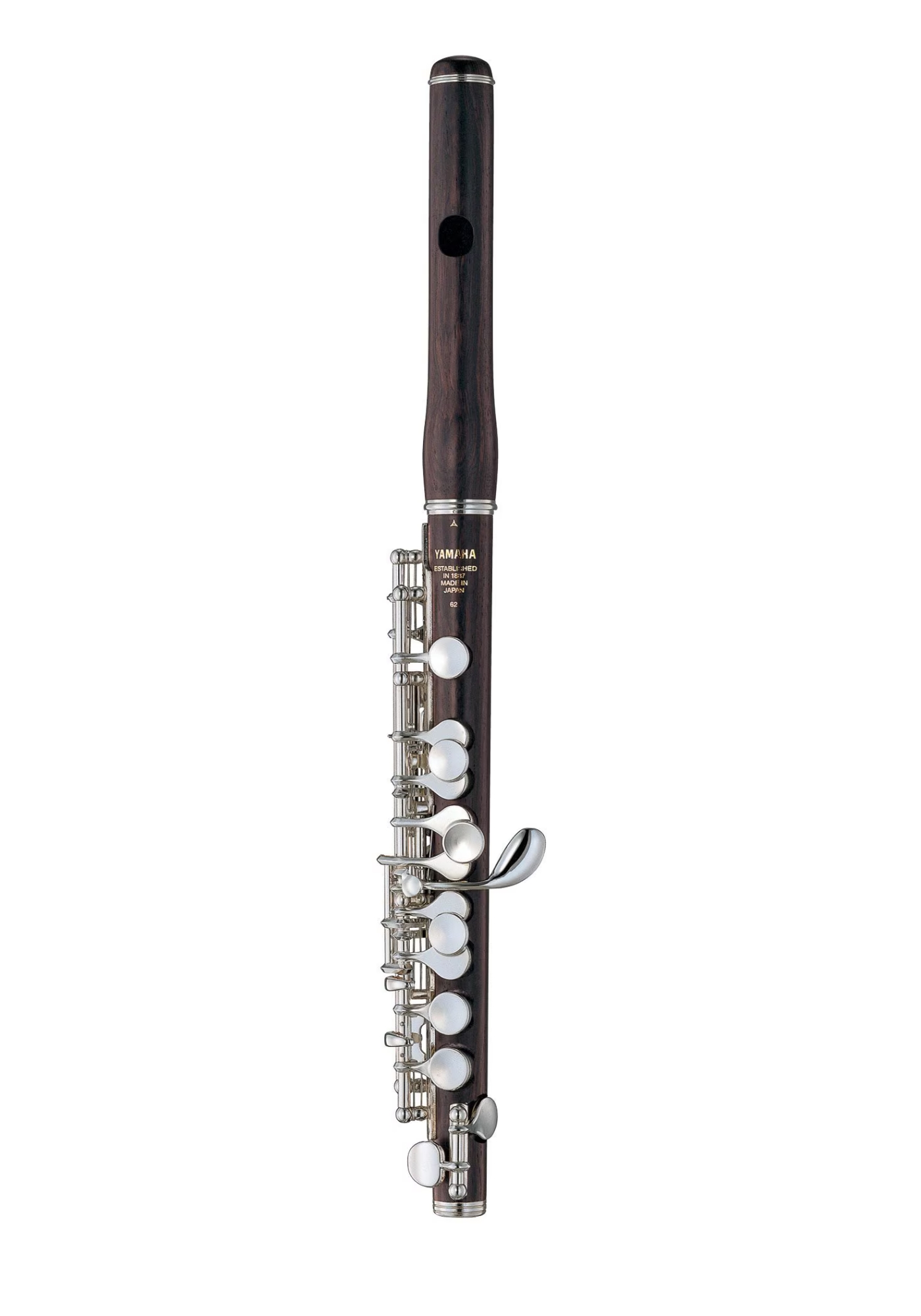
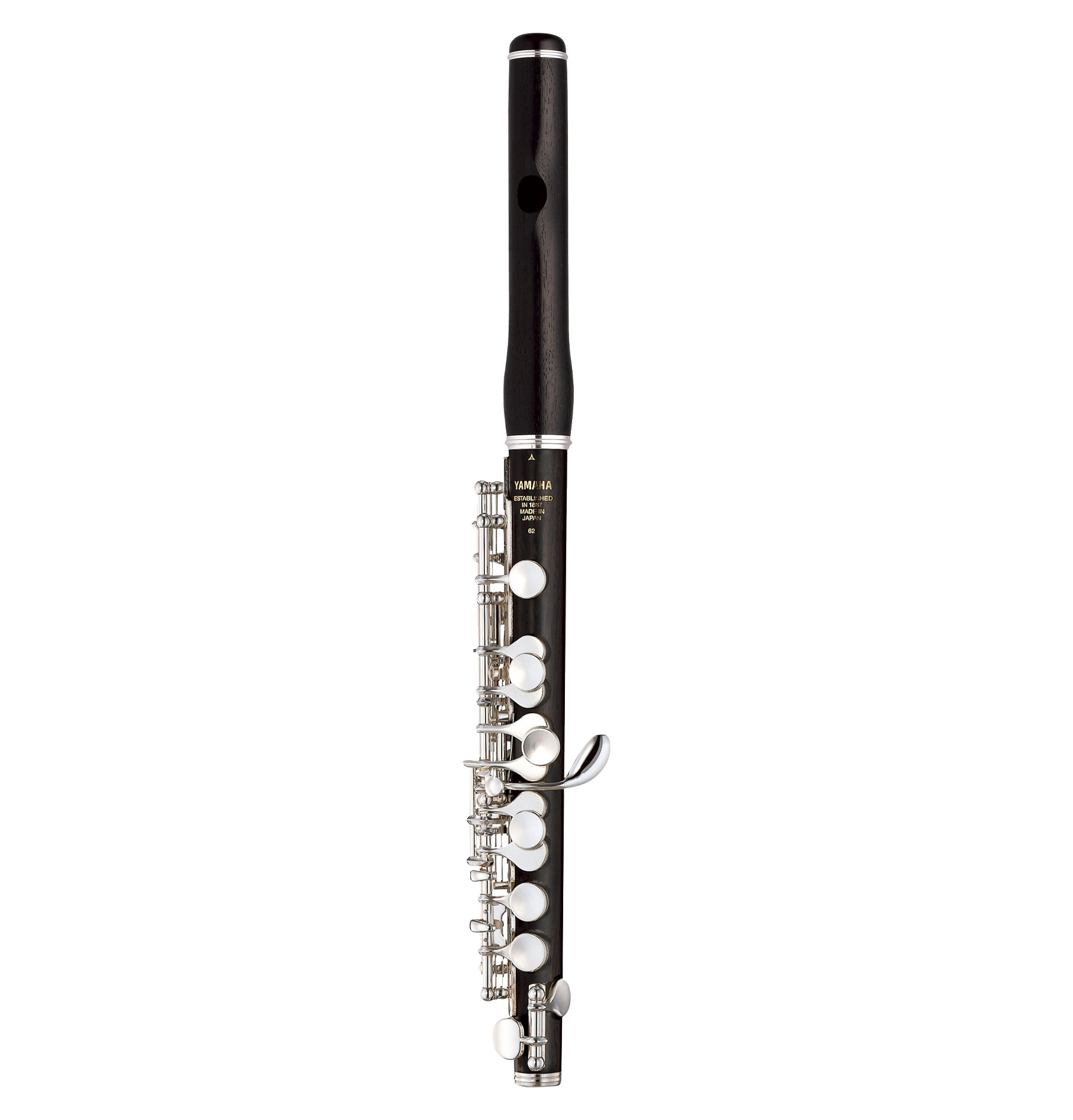
Yamaha Piccolo Flute YPC-62R - Wave cut headjoint
1.949,00 €*
List price:
2.405,00 €*
incl. Case and Accessories
in stock
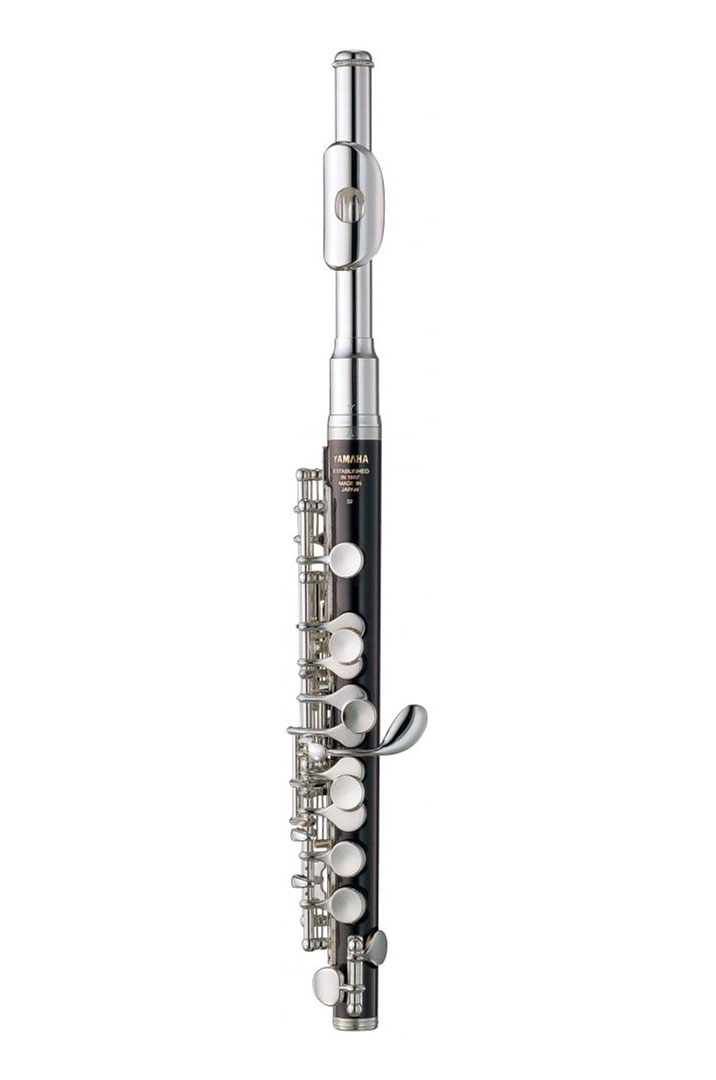
Yamaha Piccolo Flute YPC-32 nickelsilver barrel joint
798,00 €*
List price:
1.029,00 €*
incl. Case and Accessories
delivery time: 7-14 days
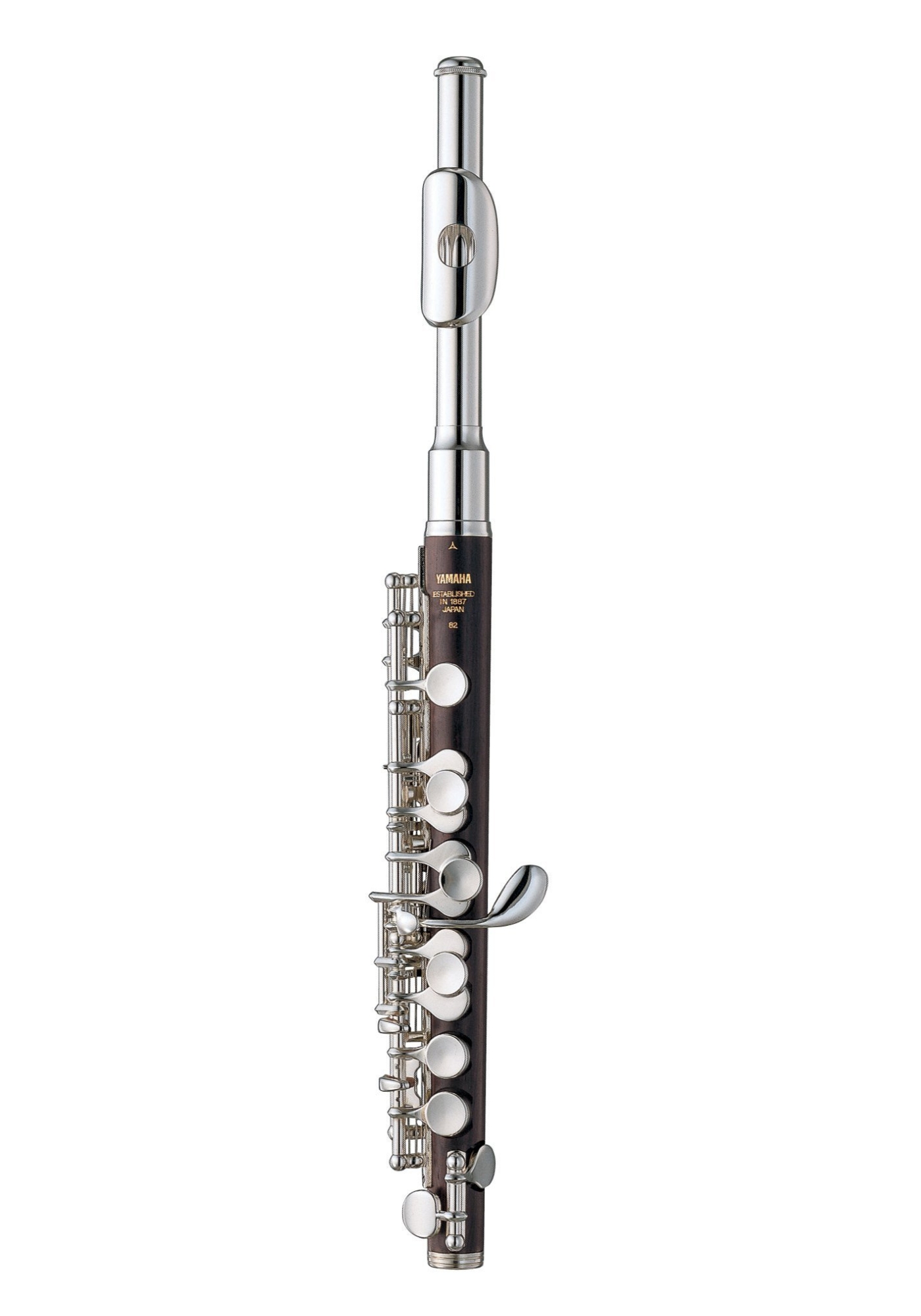
Yamaha Piccolo flute YPC-62M, Nickel silver barrel joint
1.829,00 €*
List price:
2.240,00 €*
Sterling silver embouchure plate, incl. Case and Accessories
delivery time: 8-12 weeks
Piccolo flutes – melodious highlights for orchestras, wind ensembles and soloists
Whether in a symphony orchestra, wind ensemble or as a solo instrument, the piccolo flute captivates listeners with its brilliant tone colour and piercing high notes. As the little sister of the transverse flute, it offers new musical possibilities for advanced players and professionals. If you are looking for an instrument that is both technically challenging and outstanding in terms of sound, a high-quality piccolo is the right choice.Who is the piccolo suitable for?
Advanced flutists who want to expand their repertoire Members of orchestras or wind bands Music students and professional musicians Transverse flutists looking for new timbres Construction & materials: Small but sophisticated The piccolo is about half the length of a transverse flute and sounds an octave higher. Its compact design places special demands on materials and workmanship, as even the smallest changes can greatly affect the sound.Typical materials:
• Wooden body (e.g. grenadilla or ebony): warm, characterful tone – preferred in orchestras• Metal body (e.g. silver or nickel silver): bright, assertive sound – popular in wind bands
• Combinations with head joints made of other materials for sound optimisation
Features of high-quality piccolo flutes:
• Precisely tuned intonation despite short scale length• Ergonomic mechanics with a comfortable playing feel
• Robust workmanship for reliable response in every dynamic range
• Choice between German and Bohemian fingering
The 5 most frequently asked questions about the piccolo
1. Is the piccolo more difficult to play than the transverse flute?
Yes – due to its shorter scale length and higher pitch, it requires more control in terms of embouchure and intonation.
2. At what level is it worth purchasing a piccolo?
From intermediate level onwards, once the basic techniques on the transverse flute have been mastered.
3. What is the difference between wooden and metal piccolos?
Wood sounds warmer and is often preferred in orchestras, while metal is brighter and more assertive – ideal for outdoor use in wind orchestras.
4. Are there piccolo flutes with E-mechanics or other additional functions?
Yes – high-quality models have auxiliary mechanisms for better response and intonation.
5. How do you properly care for a piccolo flute?
Dry it regularly, wipe it with a suitable cloth, and pay particular attention to temperature and humidity fluctuations with wood.
Yes – due to its shorter scale length and higher pitch, it requires more control in terms of embouchure and intonation.
2. At what level is it worth purchasing a piccolo?
From intermediate level onwards, once the basic techniques on the transverse flute have been mastered.
3. What is the difference between wooden and metal piccolos?
Wood sounds warmer and is often preferred in orchestras, while metal is brighter and more assertive – ideal for outdoor use in wind orchestras.
4. Are there piccolo flutes with E-mechanics or other additional functions?
Yes – high-quality models have auxiliary mechanisms for better response and intonation.
5. How do you properly care for a piccolo flute?
Dry it regularly, wipe it with a suitable cloth, and pay particular attention to temperature and humidity fluctuations with wood.
Why buy your piccolo flute from Schagerl?
In-house workshop – for maintenance, care and individual adjustments
Large selection – piccolo flutes for beginners to professionals from renowned manufacturers
Trained specialist staff – personal advice on finding the right instrument
Wide range of accessories – cases, cleaning accessories, sheet music and more
Service on equal terms – because we are musicians ourselves
Large selection – piccolo flutes for beginners to professionals from renowned manufacturers
Trained specialist staff – personal advice on finding the right instrument
Wide range of accessories – cases, cleaning accessories, sheet music and more
Service on equal terms – because we are musicians ourselves